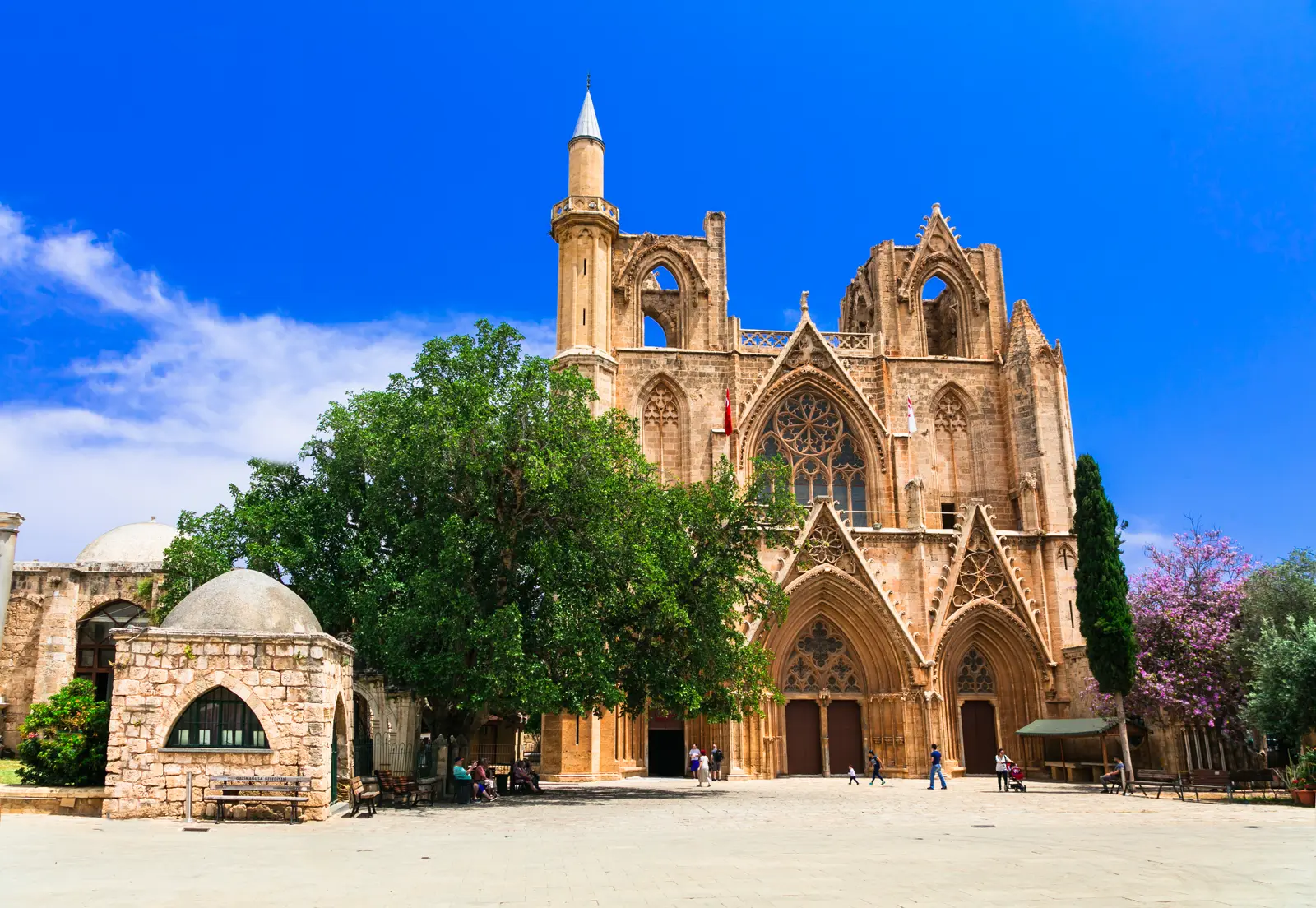
Lala Mustafa Pasha Mosque
Built as the Cathedral of St Nicholas in the 14th century, in the same French Gothic as Reims, and converted after 1571. The rose window and the flying buttresses are still there, with a minaret rising off one tower.
Gazimağusa
In the 1300s this was one of the richest cities in the known world, and it is said to have had a church for every day of the year. Today it has a university, twenty kilometres of sand, and prices that have not caught up yet.
Crusader wealth built it, Venice walled it, and the Ottomans took it after a siege that lasted almost a year. All three left their mark on the same streets.
Built as the Cathedral of St Nicholas in the 14th century, in the same French Gothic as Reims, and converted after 1571. The rose window and the flying buttresses are still there, with a minaret rising off one tower.
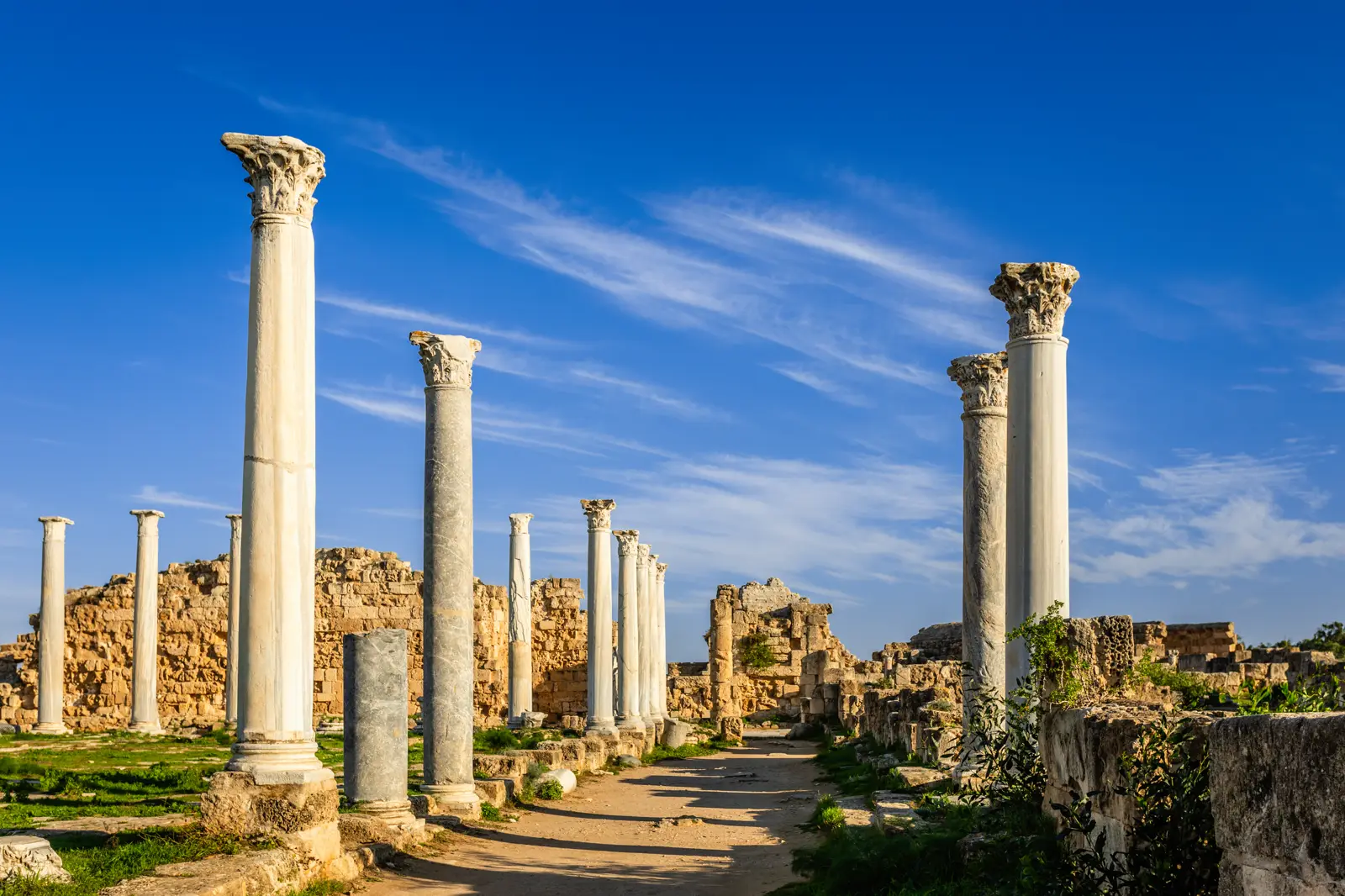
An ancient city kingdom on the coast north of town: a Roman gymnasium ringed with columns, a bath complex, and a theatre that seated fifteen thousand. You can walk it in the morning and swim off the same beach afterwards.
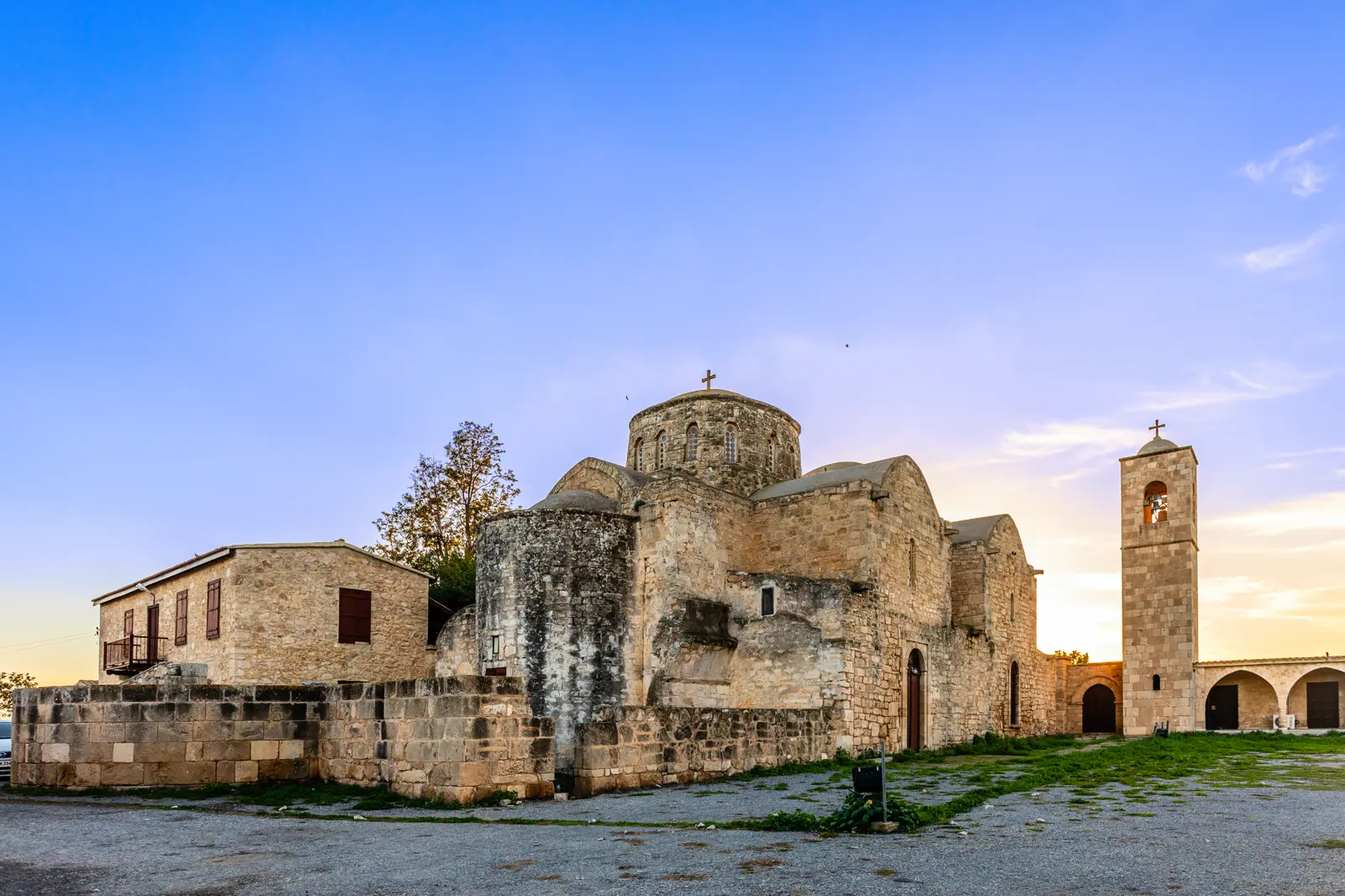
Barnabas travelled with Paul and is counted as the founder of the church in Cyprus. His tomb sits in a small chapel beside the monastery, which now holds an icon collection and an archaeology room.
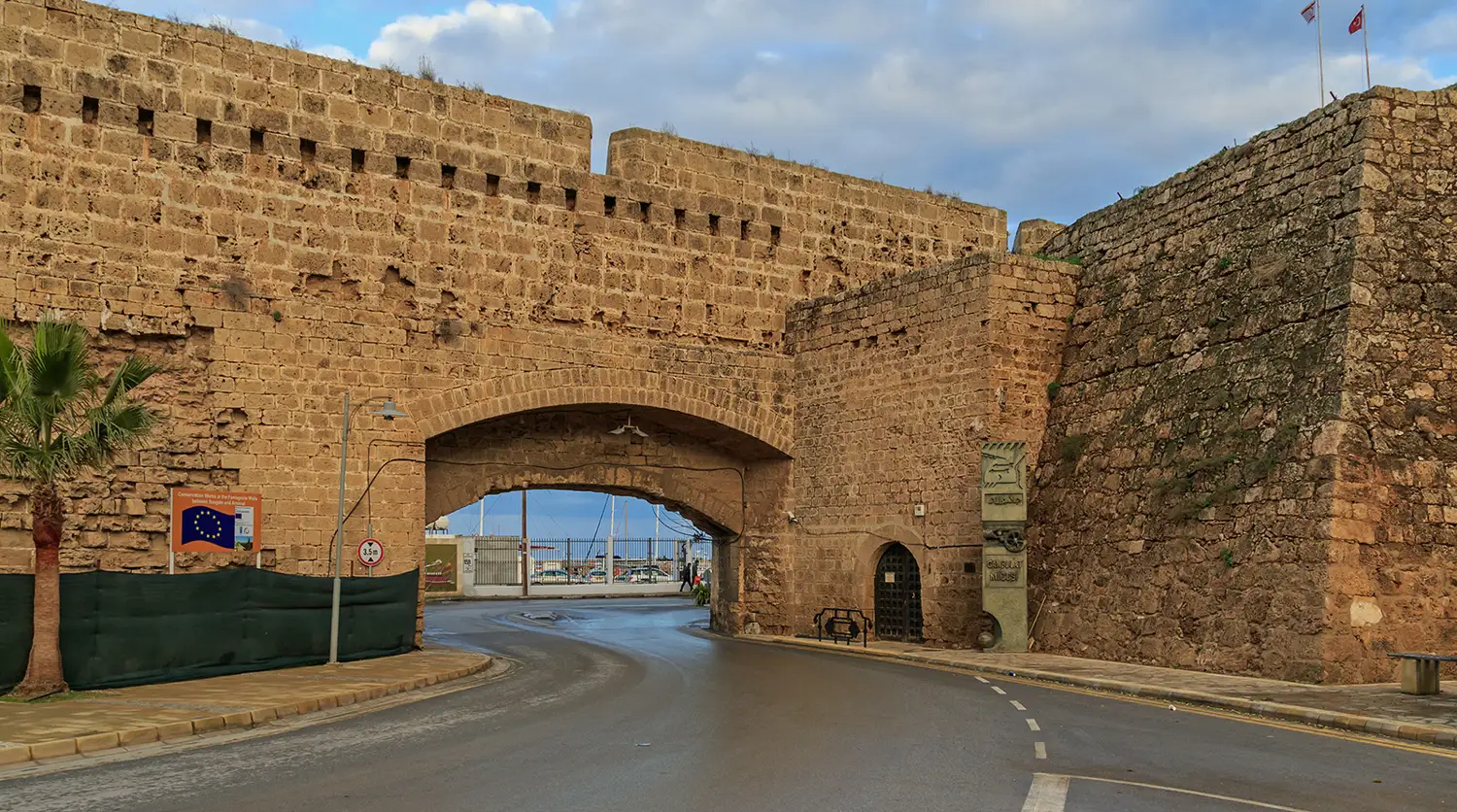
Venice wrapped the old city in these walls and you still drive through the gates to get in. Inside them stands the citadel Shakespeare used as the setting for Othello, and street after street of half standing Gothic churches with grass growing out of them.
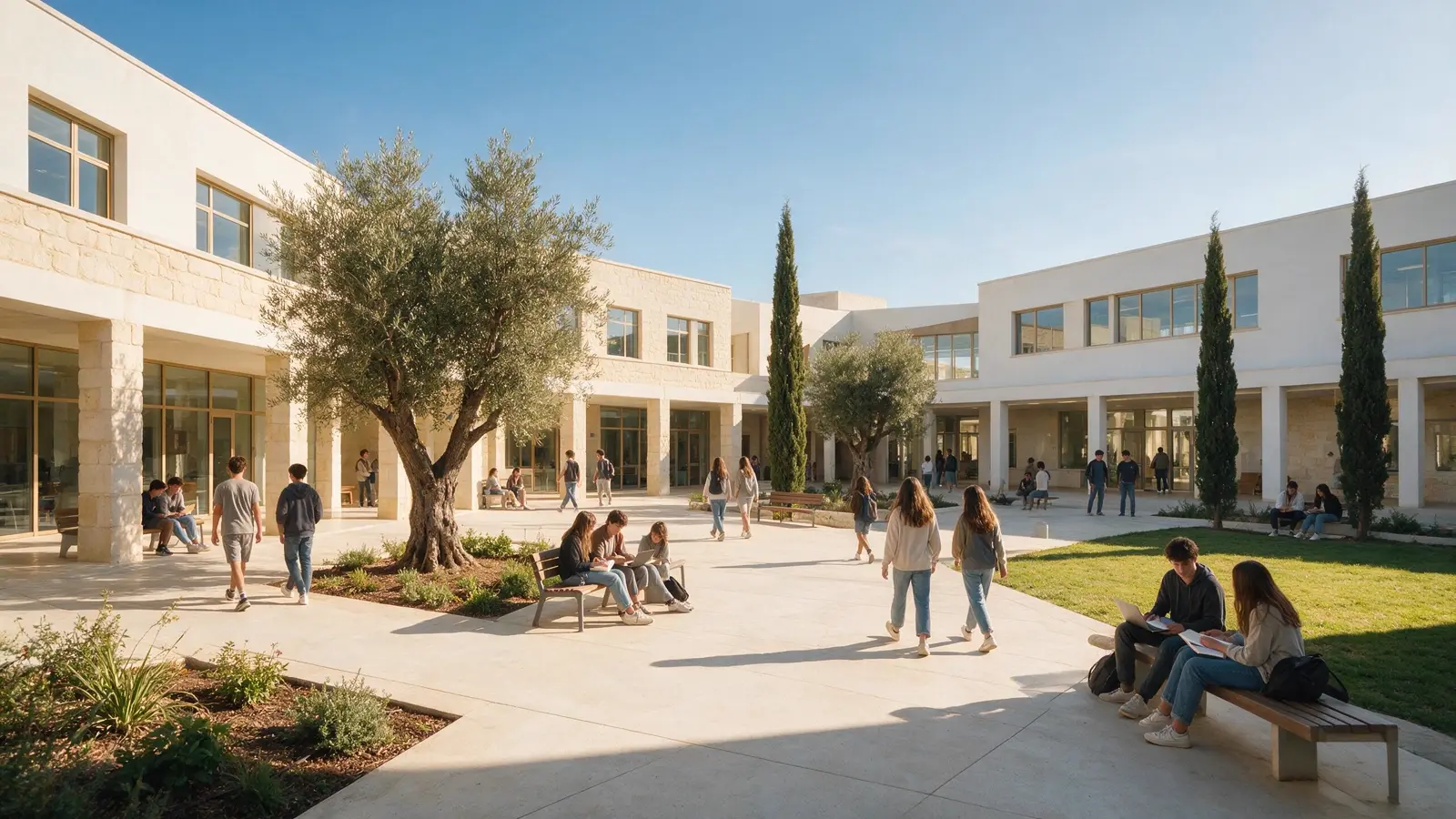
Eastern Mediterranean University brings tens of thousands of students from more than a hundred countries. That is why the cafés are open late, the food is cheap, and English is spoken everywhere.
The Roman theatre at Salamis is still used. Concerts and plays run through the summer festival, in a two thousand year old auditorium with the sea behind it.
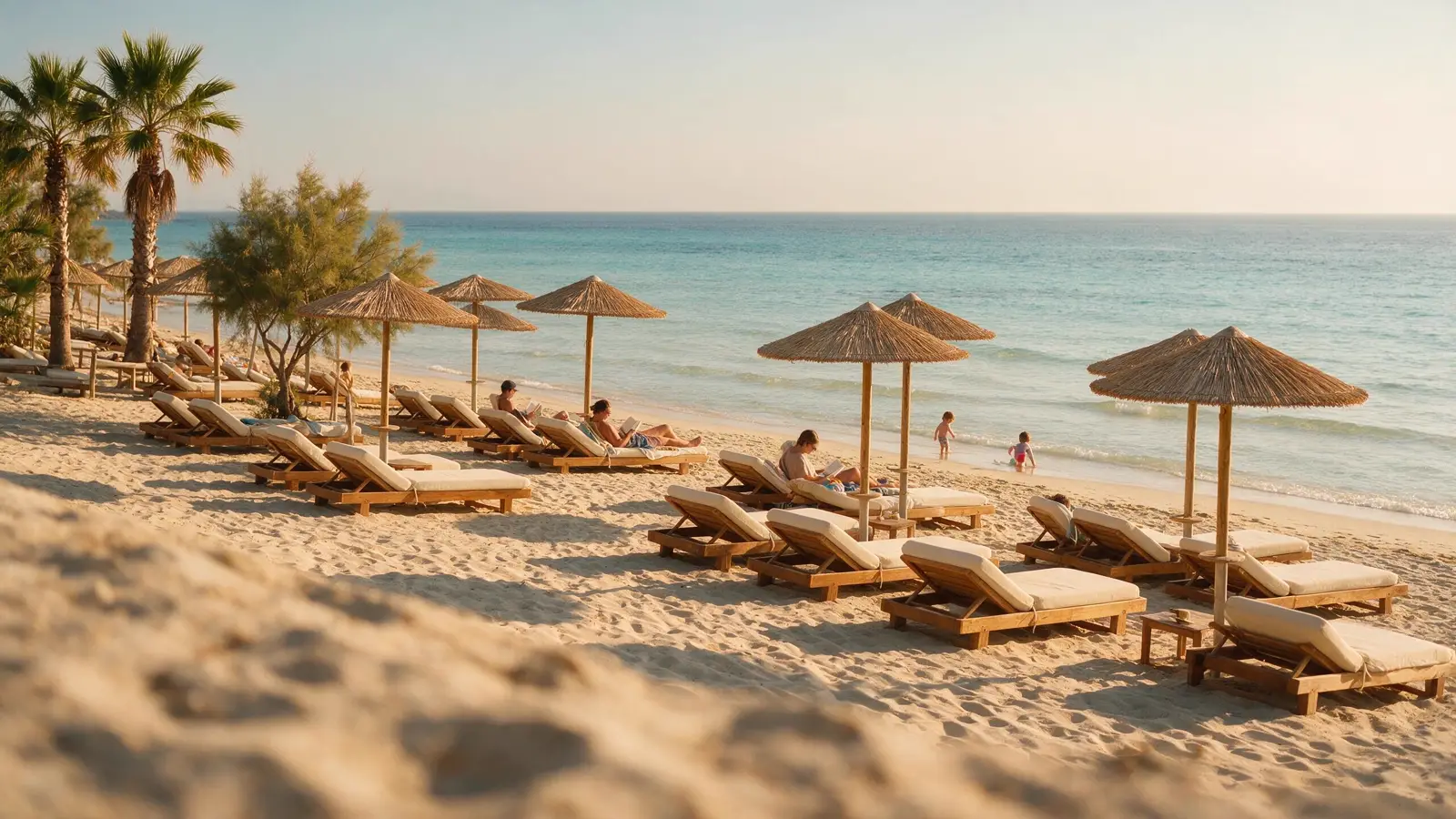
Glapsides, Silver Beach and the sand running north past Salamis. Shallow, warm, and wide enough that they never feel busy even in August.
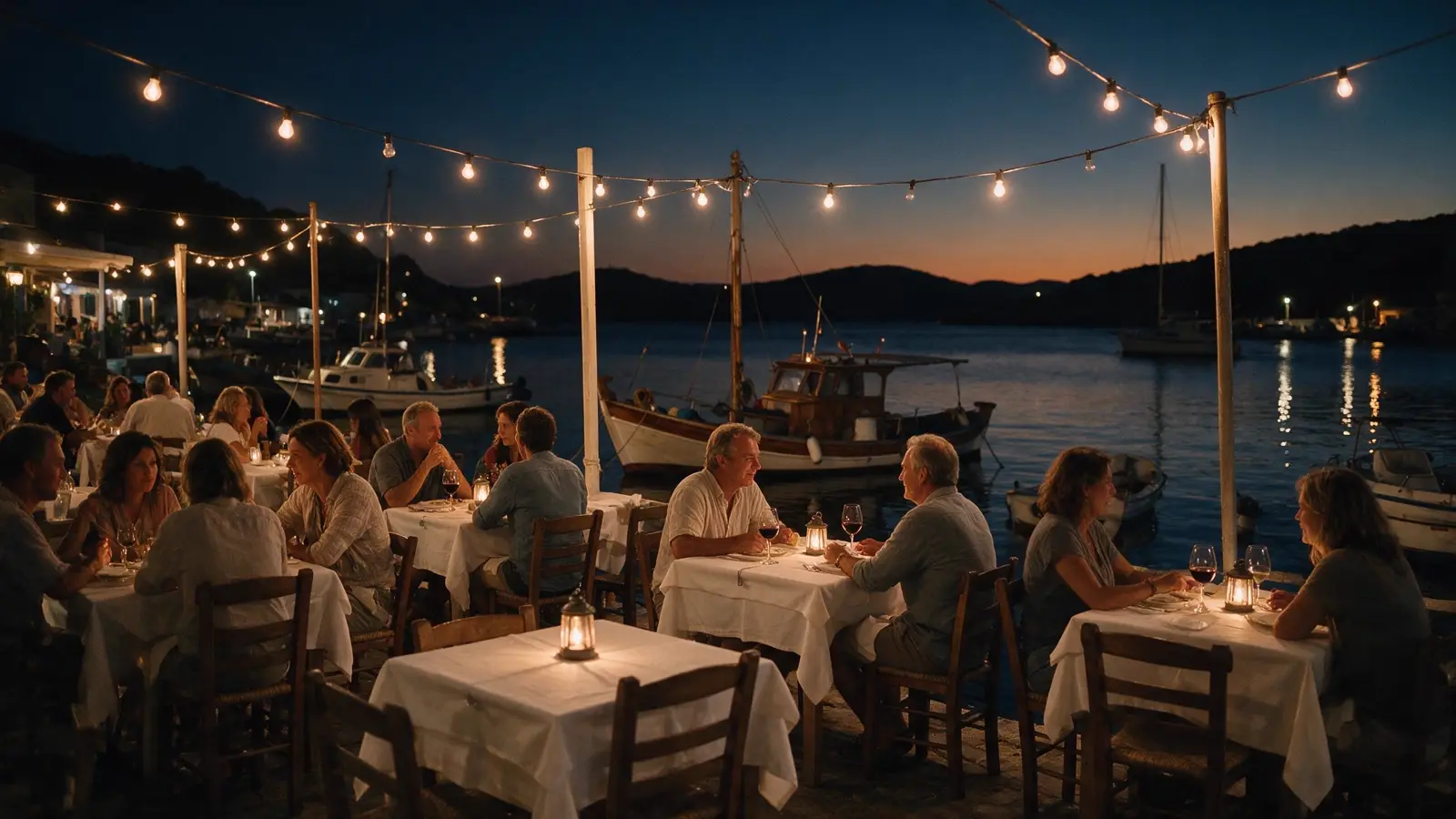
Whatever came in that morning, grilled whole with lemon and a plate of greens. Ask what is fresh rather than reading the menu.
A slow cooked green stew with lamb or chicken, thick and a little unusual, and a genuine Cypriot household dish rather than a restaurant invention.
A side effect of twenty thousand students: you can eat very well here for very little, and the places that survive are the good ones.
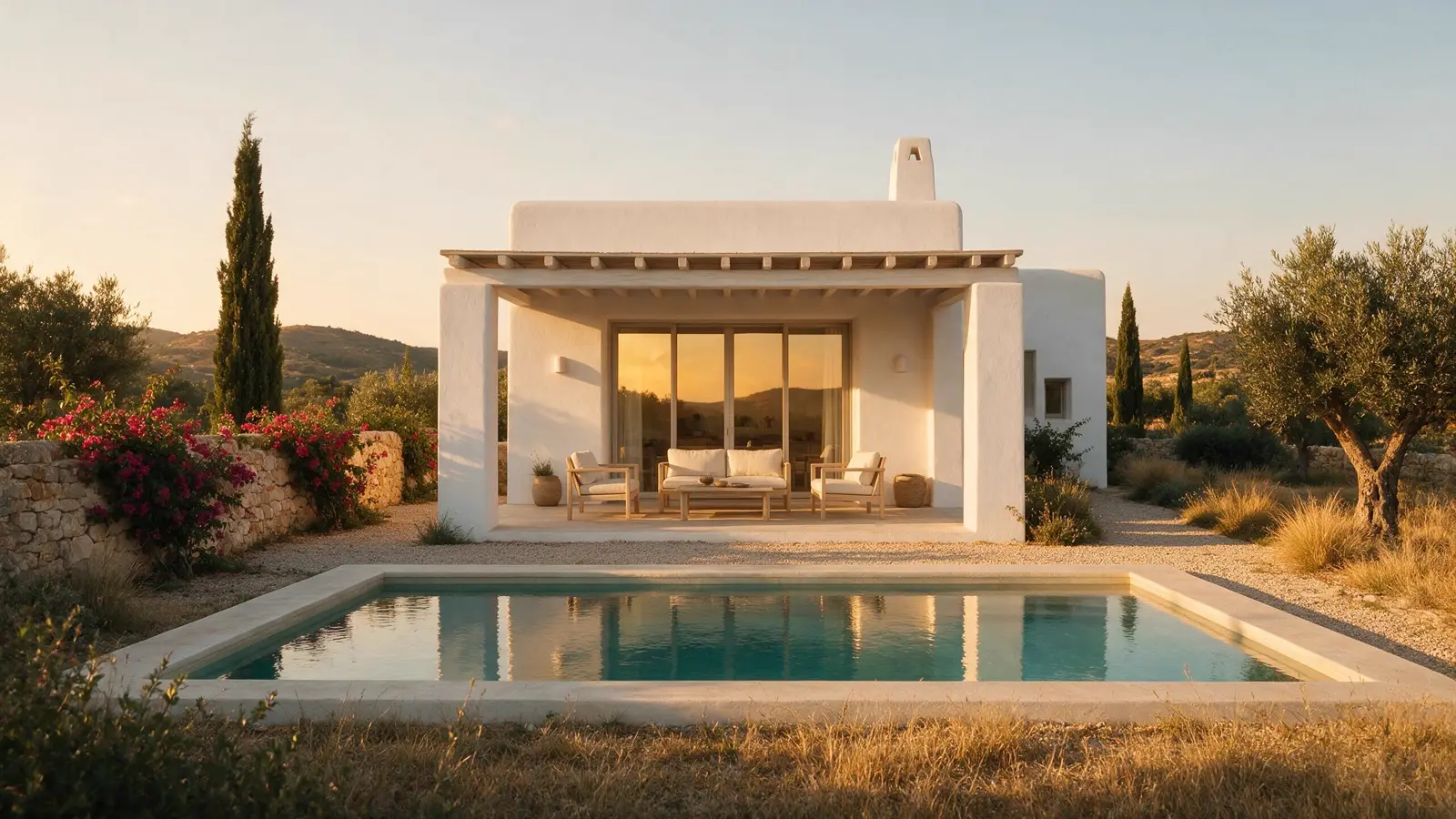
The coast north of the city still has open land between the projects. Plots are larger, sea views are cheaper, and the road to Iskele has opened the whole shoreline up.
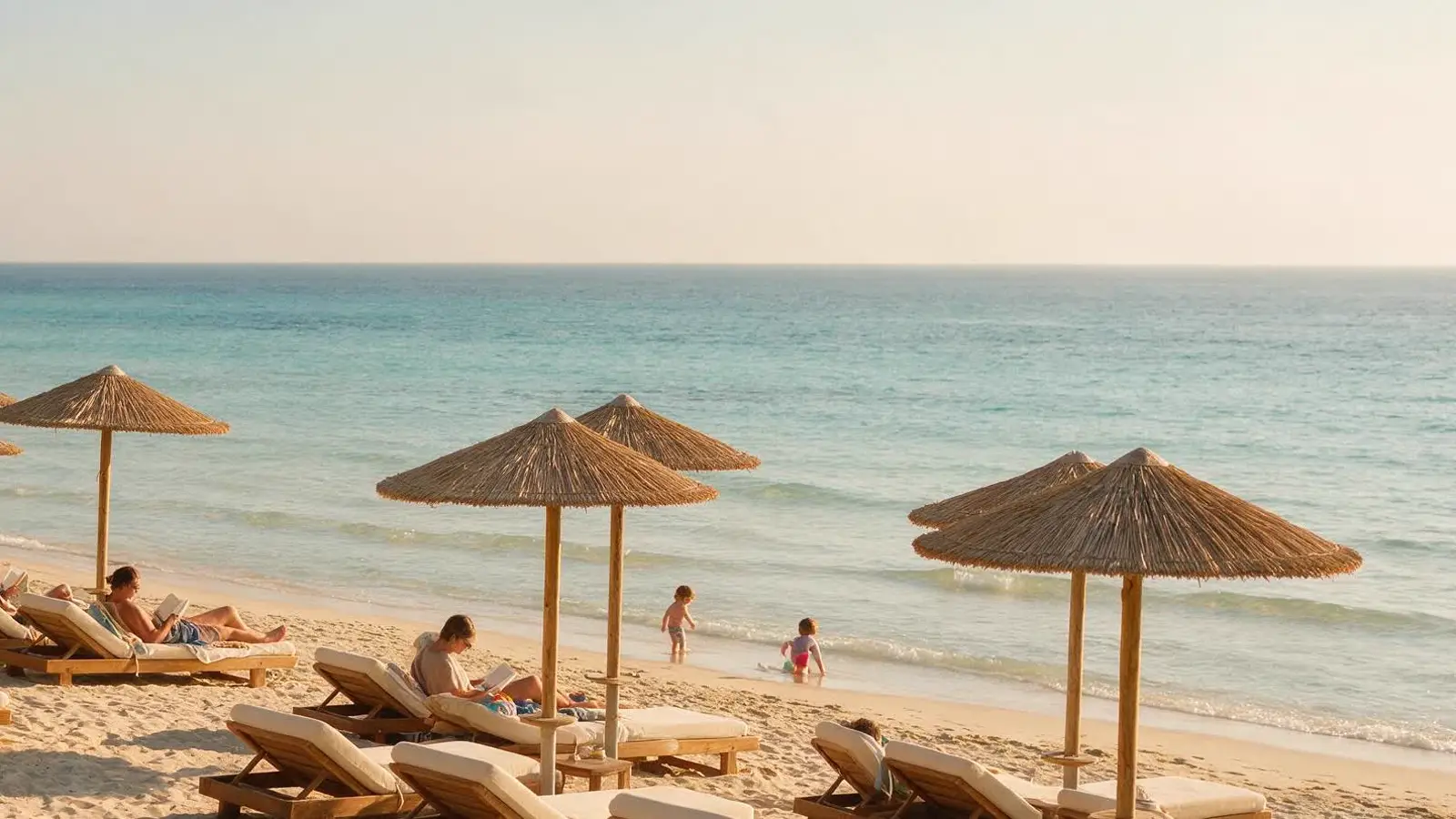
The east coast shelves gently and the sea holds its heat. Swimming here runs well past the point where the northern coast has cooled off.
Two markets in one: student rental inside the city, which lets almost all year, and beachfront projects on the coast road north. Entry prices are still well under Kyrenia.